Assessing the Impact of Pension Fund Administration on Economic Development in Nigeria

Downloads
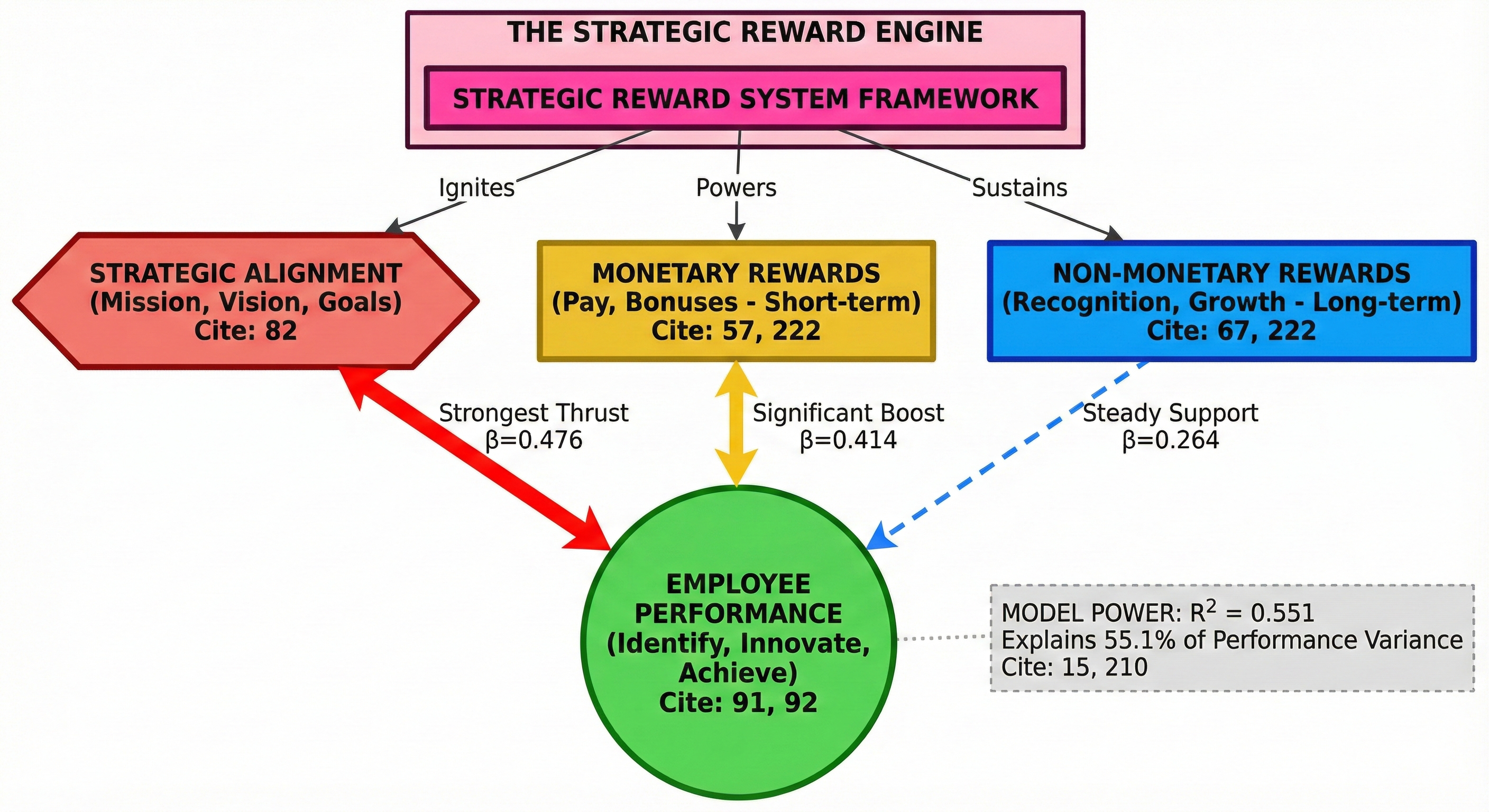
This study assessed the impact of pension funds administration in Nigeria’s economic development. Drawing from both theoretical and empirical frameworks, the research examines how pension funds can contribute to capital formation, stimulate post-retirement consumption, provide social protection, and support GDP growth. The study was anchored on the Life Cycle Theory of Consumption. A descriptive survey research design was employed, targeting a sample of 200 respondents comprising pension administrators, retirees, financial professionals, and public/private sector employees. Data were collected via structured questionnaire and analyzed using descriptive statistics, Pearson correlation, and multiple regression analysis. Findings revealed a strong consensus that pension funds contribute significantly to investment financing, economic consumption, and production output. Pearson correlation coefficients indicated statistically significant relationships between pension fund effectiveness and economic development indicators, with the strongest correlation observed for GDP stimulation (r = 0.73). Regression analysis further identified institutional reforms (β = 0.388), such as automation and transparency, as the strongest predictors of pension system effectiveness. While legal enforcement and administrative restructuring were also impactful, technological development emerged as the most influential driver of pension system performance. The study concludes that well-managed, technology-driven pension systems can serve as both social safety nets and economic catalysts. It recommends full automation of pension operations, institutional reforms to reduce administrative bottlenecks, stricter anti-corruption enforcement, and broader inclusion of informal sector workers. The study provided a data-driven foundation for policy formulation and future research on pension fund management and economic development in emerging economies.
Downloads

This work is licensed under a Creative Commons Attribution-ShareAlike 4.0 International License.